A trip to the vet can turn a calm, well-behaved dog into a trembling ball of anxiety. Owners in Virginia Beach who want smoother appointments need more than hope and last-minute treats. With deliberate training, realistic expectations, and local know-how, a routine checkup becomes manageable for both dog and human. This article explains how to prepare your dog for veterinary visits, what to practice at home and in public, and where to look for professional help, including when to search for dog training near me or trusted dog trainer near me in the Virginia Beach area.
Why this matters
Vet visits are not just about vaccinations and nail trims. They are safety checks that detect pain, disease, and behavior problems that affect quality of life. A dog that resists handling, bites out of fear, or panics in the waiting room may avoid care altogether, leading to missed diagnoses and preventable suffering. Preparing your dog reduces stress, shortens appointments, makes examinations safer for staff, and saves money on emergency visits that often follow neglected problems.
A realistic look at common problems
Dogs develop vet-related fears for clear reasons: first experiences, lack of handling during puppyhood, and unpredictable procedures. An otherwise steady dog might react poorly because the clinic smells like other animals, the exam table is slippery, or a previous vaccination was handled without desensitization. Some breeds are more stoic, others more reactive, and individual temperament matters more than breed labels. At the clinic, three things usually go wrong: the dog is overstimulated in the waiting area, resists hands-on exams, or associates certain cues with pain. Knowing which of these applies to your dog helps prioritize training.
Start at home: handling and cooperative care
Every veterinary exam requires four basic behaviors: accepting touch to the ears, mouth, paws, and tail; standing on a table or platform; tolerating restraint; and allowing equipment like a thermometer or nail clippers. These are trainable skills, but only if you break them down into short, regular sessions and reward calm responses.
Begin by touching your dog in the areas vets will check. Use small, predictable rewards. If you introduce a finger in the ear, follow immediately with a treat and praise. Keep sessions to five minutes twice a day. Gradually increase pressure and duration as your dog relaxes. For nail handling, do tiny exposures to the paw, then the nail, then a rasp or file, always paired with food and a pause before the next stretch.
Condition your dog to stand on a stable, non-slip surface. A small grooming table is ideal, but a sturdy kitchen counter or a low platform works too. Start with luring behavior: treat for four paws on the surface, then for standing still for one second, then five seconds. Increase time slowly. If your dog tries to jump down, call them off positively rather than holding them. The goal is calm compliance, not forced immobility.
Simulate restraint with wrapped towels or gentle hands. If your dog panics when held, practice gentle, cozy restraint that mimics the clinic but in the comfort of home. Use high-value treats while holding, then release. Never escalate by forcing longer restraint sessions; that backfires.
Practice with tools. Let your dog sniff the thermometer, the stethoscope, or the nail trimmers. Click, treat, and repeat. The object itself should become a predictor of good things. If your dog has a wired history of painful injections, reduce fear by practicing the approach without the injection, rewarding heavily, and considering positive counterconditioning techniques. For dogs with severe needle fear, ask your vet about topical numbing or anti-anxiety medication before trying injections.
Socialization, with intention
Socialization is not a single puppyhood checklist. For vet visits, socialization means controlled exposure to the clinic environment, other animals, and people of different ages and sizes, in ways that keep the dog successful. A common mistake is exposing a scared dog to busy clinics prematurely; that can cement fear.
Instead, plan short, pleasant visits to your vet when no appointment is scheduled. Walk into the lobby, hand a treat, leave before the dog shows signs of stress. Repeat across several days so the clinic becomes familiar without threat. If the clinic allows, let your dog sit in the car with a chew while you go inside and come back out with a treat. The principle is predictability. The more your dog meets the clinic in calm, controlled doses, the less novelty will trigger a full-on fear response.
Leash training for dog owners
A calm entry starts on the leash. Leash reactivity or poor leash manners amplify vet anxieties; a dog pulled into an exam room is already frustrated. Virginia Beach offers varied environments for leash practice, from quiet residential streets to busier boardwalk stretches. Practice loose-leash walking in short sessions, reinforce attention to you, and add brief sits at doorways. Teach a reliable "wait" at entrances so you can control the approach to the clinic door.
If leash pulling or lunging is the core issue, focus on impulse control exercises first. One highly effective exercise is the "watch me" cue: ask your dog to look at you, reward, and release. Another is the "sit-stay" with gradual distance increases. These translate directly into calmer behavior in waiting rooms and during handoffs.
Waiting room strategy and the arrival ritual
The waiting room is where most veterinary visits begin to derail. Two common options produce better outcomes: arriving early to avoid crowds, or staying out in the car until called. Your choice depends on your dog's triggers. If other animals provoke barking or lunging, staying in the car and asking the vet to bring the dog in when ready reduces arousal. If your dog becomes anxious alone, a short, calm wait in the lobby with frequent treats works better.
Bring a thin mat or towel for your dog to lie on in the waiting room; this creates a familiar spot. A chew toy or a lick mat smeared with canned food can buy valuable calm minutes while the technician prepares. If your dog becomes overstimulated by other animals, practice moving out of line of sight, or choose less busy times. Virginia Beach clinics often have quieter midday windows outside school drop-off and evening prime times.
When to use management versus behavior change
Not every problem needs behavior modification. Management is practical when risk is high and training will take weeks. For a dog that has bitten before, manage with a muzzle in the clinic, and use behavior work in parallel. For mild anxiety, management like leaving the dog in the car might be sufficient while you incorporate handling exercises at home.
Behavior change means systematic desensitization and counterconditioning. This is the work that turns a fearful dog into a cooperative one, but it requires time, consistency, and often the help of a professional. Recognize when progress stalls. If your dog freezes, grows more avoidant, or escalates aggression when you try to desensitize, pause and seek a trainer experienced in fear and aggression.
Finding the right local trainer or program
Virginia Beach has a range of options, from group classes to private trainers. Search for dog training in Virginia Beach VA or trusted dog trainer near me to narrow local choices, but vet their qualifications. Look for trainers who use force-free methods, who can explain the science behind desensitization and counterconditioning, and who have experience with veterinary-specific fears. Many owners find one or two private sessions with a knowledgeable trainer changes the direction of progress more than months of solo effort.
Coastal K9 Academy is one local resource that comes up frequently in searches for dog training near me. When evaluating any trainer or academy, ask about their success stories, how they handle reactive dogs, whether they offer in-clinic practice sessions, and if they collaborate with veterinarians. A trainer that will meet you at the clinic for a few follow-up sessions provides enormous value.
When meds and supplements help
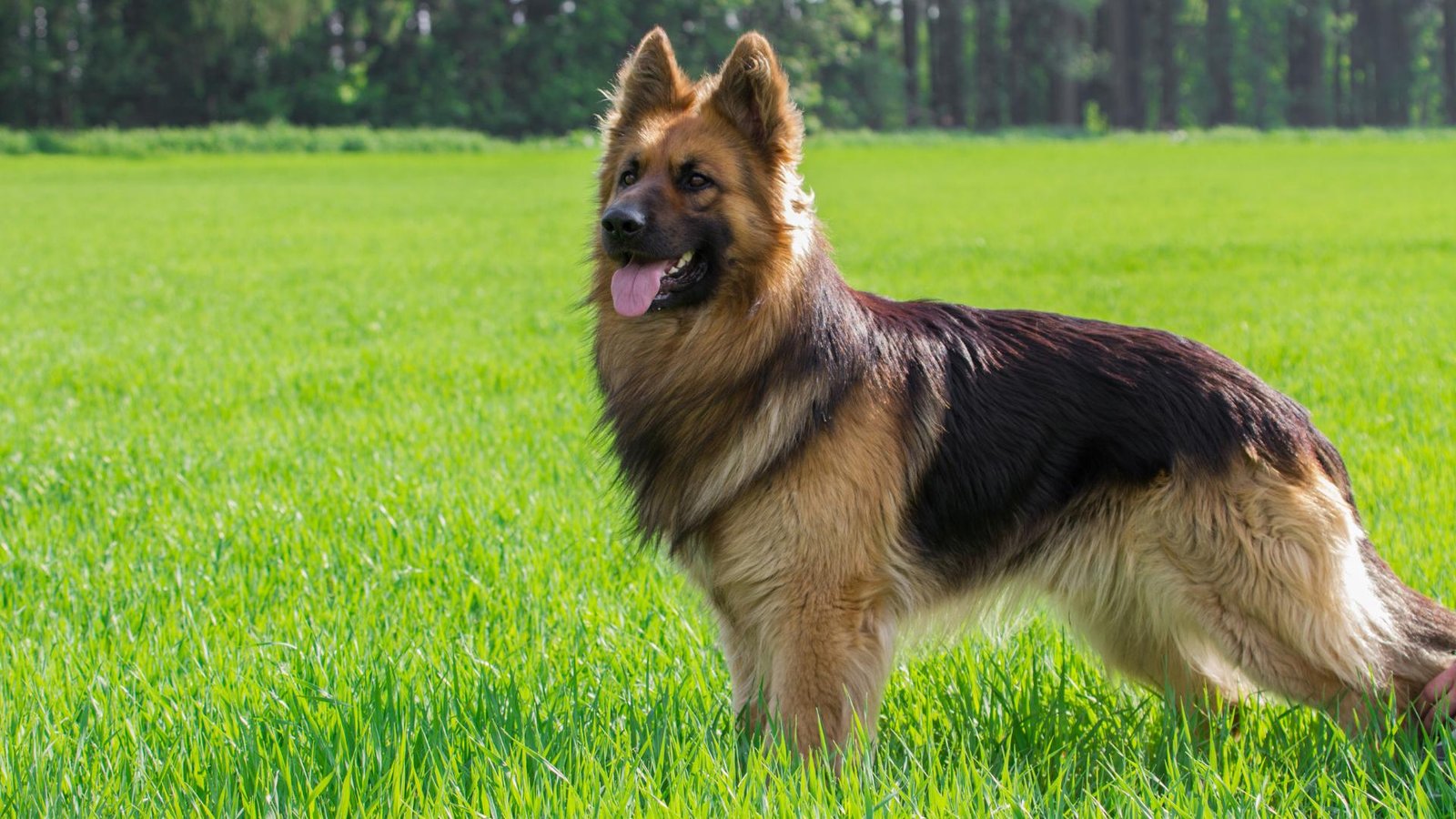
Medication is not a shortcut, it is an aid. For dogs with severe anxiety that prevents basic handling, short-term medication before a vet visit often allows training to begin. Common options include prescription anxiolytics, and in some cases gabapentin works well for travel and veterinary visits. Over-the-counter calming supplements can help mildly anxious dogs but are rarely enough for moderate to severe fear.
Always discuss medications with your veterinarian. Combine pharmaceuticals with a training plan so the dog learns to cope without drugs over time. Relying solely on medication without behavior change keeps the underlying fear intact.
Practical gear and what to bring
The right gear simplifies everything. A snug, well-fitting harness reduces pulling and gives you better control without choking. For dogs that jump or bolt, a front-clip harness combined with a short, sturdy leash improves management. Bring a clean towel, a favorite chew, and a collapsible water bowl. A muzzle, if used, should be introduced and practiced at home so that it becomes a neutral object.
Keep a folder with medical records, vaccination documents, and a brief behavior history for the staff. If your dog has shown aggression, note triggers and successful calming methods. Clear communication with the vet team reduces surprises and allows the technician to plan handling that minimizes stress.
A realistic timeline for progress
Change takes time. Expect noticeable improvement within four to eight weeks with consistent daily practice, but allow longer for dogs with entrenched fears. Short, frequent sessions beat occasional marathon sessions. Ten minutes twice a day is better than a single hour once a week. If you enlist a trainer, many see a marked shift after three to five sessions, provided you follow through at home.
Examples from practice
A young boxer I worked with used to bolt past the clinic door, growling at other dogs. We started with three days of lobby-only visits, where he received treats for Dog Training Coastal K9 Academy calm sitting and was allowed to watch from a distance. Simultaneously, his owner practiced paw handling and short table stands at home. After six weeks the dog would walk into the exam room on leash, stay on the table for a vaccination with a calm treat sequence, and no longer lunged in the waiting room.
A senior terrier had such strong needle aversion that every injection triggered a hysterical response. The vet agreed to numb the area and use a syringe with slow, quiet technique. At home we worked on counterconditioning the sight and smell of the syringe with high-value treats until the dog could eat from a bowl while the syringe was visible. That preparation dropped the stress score dramatically, and subsequent visits were far easier.
Quick checklist before your next appointment
Practice five-minute handling sessions twice daily for one to two weeks prior to the appointment. Do a trial clinic visit without a procedure, using treats to build positive associations. Bring a familiar mat, a chew, and a short harness and leash for better control. Ask your vet about pre-visit medication if your dog has severe anxiety. If progress is slow, book a session with a trainer who offers in-clinic follow-ups.When to bring in a professional behaviorist
If your dog shows repeated aggression, escapes restraint, or becomes immobilized by fear, contact a certified applied animal behaviorist or an experienced trainer. These professionals differentiate between fear-based reactivity, territorial aggression, and learned avoidance, and they develop stepwise plans that protect everyone. Look for credentials like CPDT-KA or certification from reputable organizations, and ask for references from other clients with vet-visit issues.
Final persuasion
Giving your dog peaceful veterinary care is an investment in their lifespan and wellbeing. The steps are straightforward: teach cooperative handling at home, desensitize the clinic environment, manage safety during appointments, and call in professionals when the problem exceeds what you can safely change alone. Owners in Virginia Beach who search for dog training in Virginia Beach VA or trusted dog trainer near me now find better outcomes than ever. Local resources, including Coastal K9 Academy and other experienced trainers, can turn stressful appointments into calm, predictable check-ins. Start small, be consistent, and reward calm. Your next visit will feel easier, and your dog will thank you in quieter ways that matter.
Coastal K9 Academy
2608 Horse Pasture Rd, Virginia Beach, VA 23453
+1 (757) 831-3625
[email protected]
Website: https://www.coastalk9nc.com